
Indoor shooting ranges provide a controlled, professional environment for firearms training, recreational shooting, and skill development. However, safety inside an enclosed range requires heightened awareness, strict adherence to protocols, and personal responsibility from every shooter. Whether you are a first-time visitor or an experienced marksman, understanding and following indoor range safety rules is essential to protecting yourself, other shooters, and staff.
This guide outlines essential indoor range safety tips every shooter should know, helping promote a safe, confident, and respectful shooting environment.
Why Indoor Range Safety Matters
Unlike outdoor ranges, indoor ranges operate in confined spaces where sound, airflow, and ballistic containment are tightly engineered. A single lapse in judgment—such as improper muzzle control or incorrect ammunition use—can escalate quickly. Safety rules exist not to restrict shooters, but to ensure consistency, predictability, and risk reduction for everyone inside the facility.
Indoor range safety depends on three pillars:
-
Shooter awareness
-
Proper firearm handling
-
Compliance with range procedures
Always Follow the Four Core Firearm Safety Rules
The foundation of all range safety begins with four universal firearm safety rules. These rules apply at all times, regardless of skill level.
1. Treat Every Firearm as Loaded
Never assume a firearm is unloaded. Even when cleared, handle every firearm with the same caution you would use if it were loaded.
2. Keep the Muzzle Pointed Downrange
The firearm muzzle must always point toward the designated firing direction. Never allow it to sweep across other shooters or staff.
3. Keep Your Finger Off the Trigger
Your finger should remain outside the trigger guard until your sights are on target and you are ready to shoot.
4. Know Your Target and What’s Beyond It
Indoor ranges are designed with bullet traps, but shooters must still ensure they are firing safely and accurately at approved targets only.
Understand Range Commands and Signals
Indoor ranges operate using standardized commands issued by range safety officers (RSOs). Ignoring or misunderstanding these commands is one of the most common causes of safety incidents.
Common commands include:
-
“Cease fire” – Immediately stop shooting, unload, and step back.
-
“Range is cold” – No firearms may be handled.
-
“Range is hot” – Shooting may resume.
Always respond promptly and without hesitation. When in doubt, ask for clarification before handling your firearm.
Use Proper Ammunition and Approved Firearms
Indoor ranges are engineered for specific calibers and ammunition types. Using the wrong ammunition can damage equipment or cause dangerous ricochets.
Before shooting:
-
Confirm your firearm is approved for indoor use.
-
Use only range-approved ammunition.
-
Avoid steel-core or armor-piercing rounds unless explicitly permitted.
If you are unsure whether your firearm or ammunition is allowed, consult staff before entering the range.
Wear Required Protective Equipment
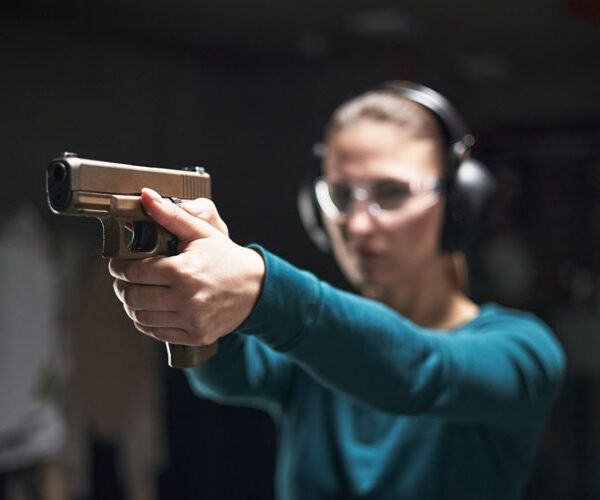
Hearing and eye protection are mandatory in indoor shooting ranges due to amplified noise and airborne debris.
Essential protective gear includes:
-
ANSI-rated eye protection
-
Over-ear or in-ear hearing protection
-
Closed-toe footwear
Protective equipment should remain in place at all times while inside the range, even during cease-fire periods.
Maintain Proper Shooting Lane Etiquette
Each shooter is assigned a lane designed for safe, controlled operation. Respecting lane etiquette ensures smooth range operations and minimizes distractions.
Best practices include:
-
Staying within your lane boundaries
-
Avoiding unnecessary movement behind active shooters
-
Keeping firearms bench-rested during cold range periods
-
Refraining from handling firearms while others are downrange
Professional courtesy is a critical component of safety.
Be Aware of Ventilation and Airflow Systems
Indoor ranges rely on specialized ventilation systems to remove lead particles, smoke, and airborne contaminants. Shooters should remain aware of airflow direction and avoid obstructing vents.
Good hygiene practices include:
-
Washing hands thoroughly after shooting
-
Avoiding eating or drinking inside the range
-
Using lead-safe wipes when available
These steps protect both short-term comfort and long-term health.
Know When to Ask for Help
There is no shame in requesting assistance. Range staff are trained to support shooters of all experience levels.
Ask for help if:
-
You experience a firearm malfunction
-
You are unfamiliar with range procedures
-
You feel unsafe or uncertain at any time
Proactive communication prevents accidents and reinforces a culture of safety.
Final Thoughts on Responsible Shooting
Indoor range safety is a shared responsibility that depends on preparation, awareness, and respect for established rules. When shooters commit to best practices, indoor ranges remain safe, enjoyable, and welcoming environments for everyone—from beginners to professionals.
For those seeking a modern, professionally managed indoor shooting experience that prioritizes safety, training, and responsible firearm handling, Declaration Defense sets the standard for excellence in range operations and shooter education. Visit us at 1315 SW 1st Court
Pompano Beach, FL 33069
Frequently Asked Questions – Indoor Shooting Range Safety
1. What should I do if my firearm malfunctions at an indoor range?
Keep the muzzle pointed downrange, do not attempt unsafe fixes, and signal a range safety officer immediately.
2. Can I bring my own ammunition to an indoor shooting range?
Most ranges allow personal ammunition, but it must meet caliber and material restrictions. Always verify beforehand.
3. Why is muzzle discipline more critical indoors?
Confined spaces increase risk. Proper muzzle control prevents accidental pointing toward others in close proximity.
4. Is eye and ear protection mandatory even during cease fire?
Yes. Protective gear must remain on at all times while inside the shooting range.


Recent Comments