Choosing to enroll in Concealed Carry Gun Classes is an important step toward becoming a safer, more confident, and legally responsible firearm owner. Whether you are pursuing concealed carry training for personal protection, home defense, or to improve your firearm handling skills, understanding what happens during the class can help you feel prepared before you even arrive at the range.
Many first-time students are unsure about what to expect during training, how difficult the qualification process will be, or what they need to bring. The good news is that professional instructors are there to guide you through every stage of the process. From firearm safety fundamentals to live-fire exercises, concealed carry training is designed to help students build real-world confidence while learning proper techniques and legal responsibilities.
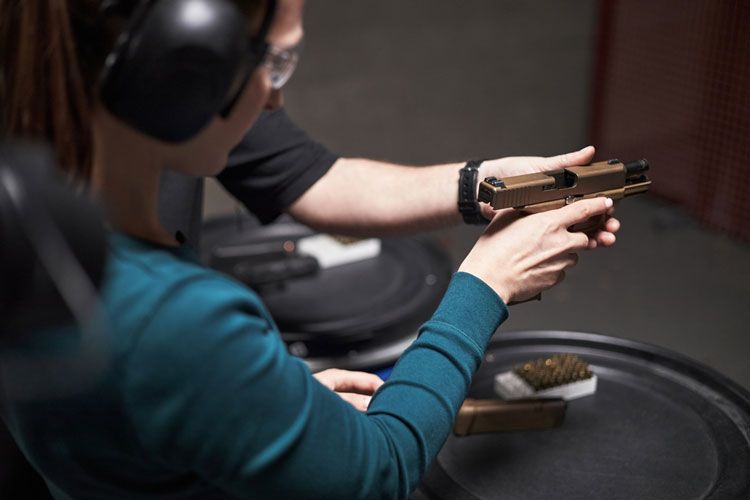
At Declaration Defense, students receive hands-on instruction in a professional training environment focused on safety, accuracy, and firearm education.
Why Concealed Carry Gun Classes Matter
Concealed Carry Gun Classes are not just about learning how to shoot. These courses help firearm owners understand how to safely carry, store, and responsibly use a firearm in defensive situations. Proper training also helps reduce common mistakes that inexperienced gun owners often make under pressure.
A quality concealed carry course teaches students how to:
- Handle firearms safely and confidently
- Understand state and local firearm laws
- Improve shooting accuracy and control
- Practice defensive firearm techniques
- Develop proper situational awareness
Professional instruction can make a major difference in helping students avoid unsafe habits while improving confidence both on and off the range.
What Happens During Concealed Carry Gun Classes?
Most Concealed Carry Gun Classes include a combination of classroom instruction and live-fire range training. While each instructor or facility may structure classes differently, the overall process usually follows a similar format.
Firearm Safety Instruction
Safety is always the first priority during concealed carry training. Students learn the universal firearm safety rules, range etiquette, and proper firearm handling procedures before live-fire exercises begin.
Instructors typically cover:
- Muzzle discipline and trigger control
- Loading and unloading procedures
- Safe firearm storage practices
- Proper transportation of firearms
- Emergency malfunction procedures
This foundation is critical because safe firearm handling is essential during both training and real-world defensive situations.
Legal Responsibilities and Concealed Carry Laws
A major portion of many Concealed Carry Gun Classes focuses on firearm laws and legal responsibilities. Students learn when the use of force may be legally justified and how concealed carry regulations apply within their state.
Topics may include:
Understanding Use-of-Force Laws
Students learn how self-defense laws apply in different situations and why every defensive firearm encounter carries serious legal consequences.
Where Concealed Carry May Be Restricted
Instructors often explain prohibited carry locations, transportation laws, and other legal considerations that responsible gun owners should understand.
Interactions With Law Enforcement
Training may also cover how to safely and appropriately interact with law enforcement officers while carrying a concealed firearm.
For additional firearm safety education and training information, students can also review resources available through the Gun Store & Training Center at Declaration Defense.
What to Expect During the Shooting Qualification
The shooting qualification portion of Concealed Carry Gun Classes is often the area where new students feel the most nervous. However, most firearm qualifications are designed to test safe handling and basic shooting competency rather than advanced tactical skills.
Students are usually asked to fire a certain number of rounds at designated distances while demonstrating proper firearm control and safe handling.
Typical Qualification Distances
Many concealed carry qualification tests involve shooting from relatively short defensive distances, commonly between 3 and 15 yards.
These distances are designed to simulate realistic defensive encounters while evaluating the student’s:
Accuracy
Students must place shots within a designated scoring area on the target.
Trigger Control
Smooth trigger control helps maintain accuracy and improve consistency.
Firearm Handling
Students must demonstrate safe loading, unloading, and shooting procedures throughout the qualification process.
How to Prepare Before Your Concealed Carry Class
Preparing properly before attending Concealed Carry Gun Classes can significantly improve your comfort level and performance during training.
Bring the Right Equipment
Most training facilities provide a list of required equipment before class. Common items may include:
- Handgun and magazines
- Factory ammunition
- Eye and ear protection
- Comfortable clothing
- Government-issued identification
Some ranges may also offer rental firearms for students who do not yet own a handgun.
Practice Basic Fundamentals
Students who spend some time practicing basic shooting fundamentals before class often feel more relaxed during qualification exercises.
Key areas to focus on include:
Grip
A stable grip improves recoil management and overall control.
Sight Alignment
Proper sight picture is critical for accurate shooting.
Breathing Control
Controlled breathing helps reduce movement while firing.
Trigger Press
Smooth, consistent trigger movement prevents unnecessary shot deviation.
Common Mistakes Students Make During Qualification
Even experienced shooters can make avoidable mistakes during firearm qualification. Understanding these common issues can help students perform more effectively.
Rushing Shots
Many students shoot too quickly due to nervousness. Slowing down and focusing on fundamentals often improves accuracy immediately.
Anticipating Recoil
Some shooters unintentionally push the firearm downward before firing in anticipation of recoil. This can negatively affect shot placement.
Poor Grip Pressure
An inconsistent grip can reduce stability and make follow-up shots more difficult.
Failure to Listen to Commands
Range safety commands are critical during live-fire exercises. Students should remain focused and follow instructor directions carefully throughout the qualification.
Additional defensive firearm training opportunities and range information are also available through the Shooting Range section of the Declaration Defense website.
Building Confidence After Concealed Carry Training
Completing Concealed Carry Gun Classes is only the beginning of becoming a responsible and skilled firearm owner. Ongoing practice and continued education are essential for maintaining proficiency and confidence.
Many students choose to continue training by participating in:
Defensive Shooting Courses
Advanced defensive firearm training can help students improve movement, accuracy, and decision-making skills.
Range Practice Sessions
Regular range visits help maintain consistency and reinforce proper shooting habits.
Firearm Maintenance Education
Learning how to properly clean and maintain firearms improves reliability and longevity.
Students interested in expanding their firearm knowledge can also explore firearm options and accessories available through the Gun Store at Declaration Defense.
Why Professional Training Makes a Difference
Professional instructors provide structure, supervision, and guidance that help students avoid dangerous habits while developing proper firearm techniques. Quality Concealed Carry Gun Classes create a safer learning environment where students can ask questions, improve skills, and gain practical defensive knowledge.
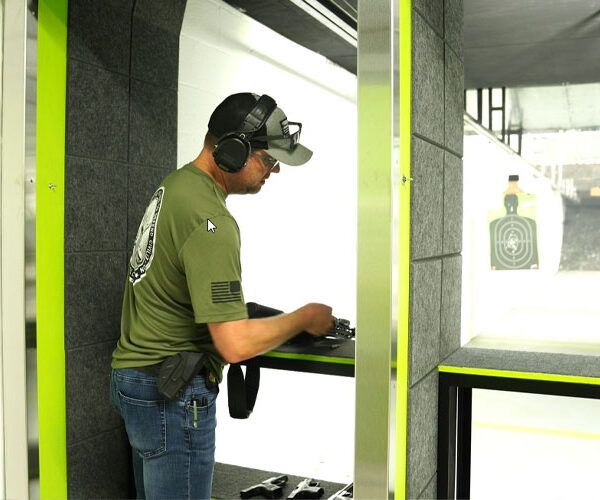
At Declaration Defense, students receive professional firearm instruction inside a modern climate-controlled multi-lane gun range and training facility. Whether you are brand new to firearms or looking to sharpen your concealed carry skills, the team at Declaration Defense offers expert guidance, firearm education, range access, and hands-on training designed to help students build confidence and improve firearm safety.
Frequently Asked Questions
How long do concealed carry gun classes usually take?
Most concealed carry courses can range from a few hours to a full-day class depending on state requirements, classroom instruction, and live-fire qualification components.
Do I need my own firearm for concealed carry training?
Some training facilities allow students to rent firearms for class use, while others require students to bring their own handgun and ammunition.
Is the shooting qualification difficult to pass?
Most concealed carry qualifications are designed for beginner and intermediate shooters. Students who follow instructor guidance and focus on safety and fundamentals usually perform well.
What should I wear to a concealed carry gun class?
Students should wear comfortable clothing, closed-toe shoes, and avoid loose-fitting garments that may interfere with firearm handling or range safety.

Recent Comments