
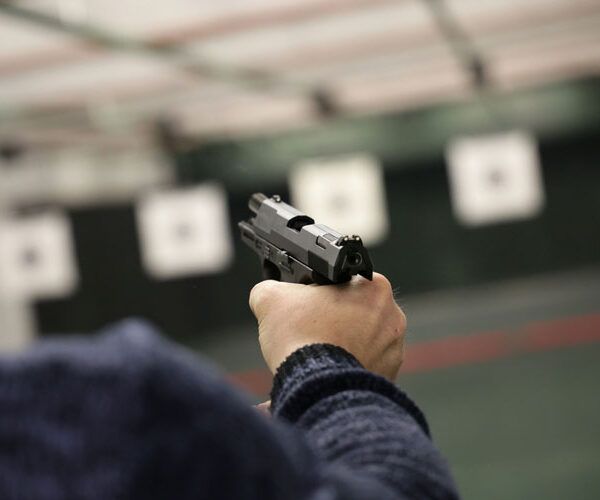
Gun safety is the foundation of every responsible shooting environment. Whether someone is a first-time visitor or an experienced firearm owner, structured procedures and professional oversight are what keep a range safe and controlled. The phrase Shooting Ranges Enforce Gun Safety Protocols is more than a policy statement—it represents a system of training, supervision, facility design, and behavioral standards that work together to reduce risk and prevent accidents.
Modern shooting facilities operate under strict procedures that protect shooters, staff, and bystanders. These protocols are not optional guidelines; they are enforced rules that create a predictable, secure environment where people can practice safely.
The role of structured safety rules
Every well-managed range operates under a clearly defined set of firearm handling standards. These rules are designed to prevent unsafe handling, eliminate confusion, and ensure that everyone on the range understands expectations.
Core safety rules commonly enforced include:
- Always keeping firearms pointed in a safe direction
- Keeping fingers off triggers until ready to fire
- Treating every firearm as if it is loaded
These foundational practices reduce the likelihood of negligent discharges and unintended muzzle direction, which are among the most preventable causes of incidents.
Range Safety Officers and active supervision
One of the most important ways Shooting Ranges Enforce Gun Safety Protocols is through trained Range Safety Officers (RSOs). RSOs monitor all shooting lanes, observe shooter behavior, and intervene immediately if a safety concern appears.
RSOs are trained to recognize unsafe firearm handling, improper stance, or equipment issues that could create risk. They provide direct coaching, issue verbal corrections when needed, and have authority to stop shooting if any unsafe condition develops. Their presence ensures that safety is not just a sign on the wall but an actively managed system.
Controlled firing line procedures
Firing line management is another critical component of accident prevention. A controlled firing line ensures that shooters know exactly when they can fire and when firearms must be made safe.
Typical firing line procedures include:
- Clear commands to start and stop shooting
- Mandatory unloaded and open actions during cease-fire periods
- Visual inspections by staff before anyone goes forward of the line
These structured pauses eliminate confusion and prevent accidental discharges while people are downrange checking or replacing targets.
Facility design that supports safety
Engineering controls are a major part of how Shooting Ranges Enforce Gun Safety Protocols. Modern indoor and outdoor ranges are designed specifically to manage ballistic risk and create controlled shooting conditions.
Proper backstops, bullet traps, lane dividers, and target carriers guide firearm use in a predictable direction. Overhead baffles and side containment systems help prevent errant rounds from leaving designated zones. Clear signage and lane markings reinforce where shooters must stand and aim.
This design reduces reliance on individual judgment alone by physically structuring the environment to support safe behavior.
Mandatory orientation and shooter education
Education is another layer of protection. Many ranges require new visitors to complete a safety orientation before using the facility. These sessions explain range commands, handling expectations, and emergency procedures.
Ongoing education is equally important. Staff members often provide tips on grip, stance, and equipment use, helping shooters handle firearms more confidently and safely. When people understand both the “what” and the “why” behind safety rules, compliance increases significantly.
Equipment checks and protective requirements
Safe shooting depends not only on behavior but also on equipment. Ranges often enforce rules regarding approved firearms, ammunition types, and protective gear.
Common enforced requirements include:
- Use of eye and ear protection at all times
- Restrictions on ammunition that could damage range infrastructure
- Inspection of firearms if a malfunction or concern arises
By controlling equipment variables, ranges reduce the risk of mechanical failures, hearing damage, and structural hazards.
Clear emergency procedures
Preparedness is another hallmark of professional facilities. Staff are trained in emergency response, and procedures are in place for medical incidents, firearm malfunctions, or other unexpected events.
Quick access to first aid supplies, communication systems, and trained personnel ensures that even rare incidents are managed swiftly and effectively. This readiness reinforces a culture of responsibility and preparedness.
Building a culture of accountability
Perhaps the most important factor is culture. When shooters see that rules are consistently enforced, they understand that safety is taken seriously. This shared accountability encourages everyone on the range to act responsibly, speak up if they notice an issue, and respect procedures.
A strong safety culture transforms individual actions into a collective system of prevention.
Why this matters to shooters and communities
The impact of strict safety enforcement extends beyond the range itself. When facilities operate responsibly, they help promote responsible firearm ownership and safe handling practices that carry into other environments.
By demonstrating professionalism, structure, and accountability, well-run ranges contribute positively to community safety and public trust.
Declaration Defense and professional safety standards
Declaration Defense exemplifies how Shooting Ranges Enforce Gun Safety Protocols through disciplined procedures, trained staff, and facility design that prioritizes safety. The range maintains clear rules, active supervision, and structured firing line management to create a secure environment for shooters of all experience levels. By combining professional oversight with a commitment to education and responsible firearm handling, Declaration Defense provides a setting where safety and skill development go hand in hand.
Call 954-900-5572 or visit us at 1315 SW 1st Court
Pompano Beach, FL 33069
Frequently Asked Questions
Why are Range Safety Officers necessary?
They provide real-time supervision, correct unsafe behavior immediately, and ensure procedures are followed consistently.
What happens during a cease-fire?
All firearms must be unloaded, actions open, and shooters step back while staff confirm the line is safe.
Do experienced shooters still need to follow range rules?
Yes, safety protocols apply to everyone regardless of skill level to maintain consistency and prevent risk.
Why is eye and ear protection mandatory?
It protects against debris, pressure waves, and long-term hearing damage caused by firearm discharge.



Recent Comments