
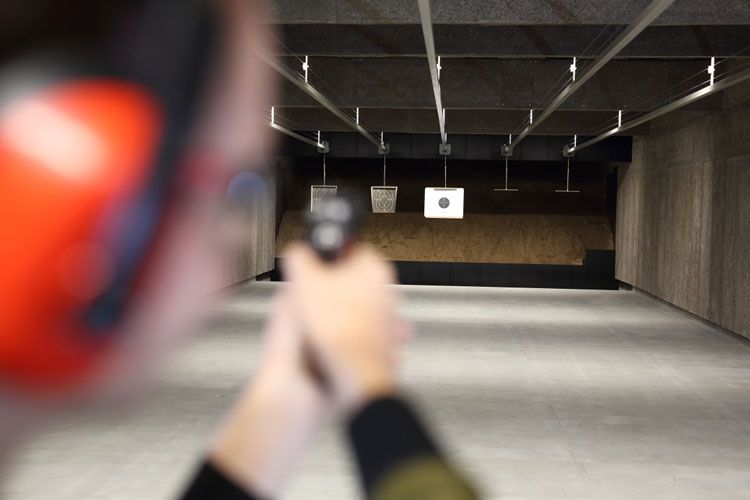
Whether you are a first-time shooter or an experienced firearm owner, gun range firearm safety should always be the highest priority whenever handling a firearm. Shooting ranges provide a controlled environment for training, target practice, and skill development, but safety remains the foundation of every successful range experience. Understanding and following established safety procedures helps protect shooters, instructors, range staff, and everyone else on the property.
Firearm safety is not simply about following rules when someone is watching. It is about developing habits that become second nature every time a firearm is handled. By learning proper techniques and maintaining situational awareness, shooters can confidently enjoy the shooting sports while minimizing risk.
Why Gun Range Firearm Safety Matters
The purpose of any shooting range is to provide a safe environment where individuals can learn, practice, and improve their firearm skills. However, even the safest facilities depend on shooters following proper safety procedures.
Gun range firearm safety helps prevent accidents, promotes responsible firearm ownership, and creates a positive environment for all participants. Whether training with a handgun, rifle, or shotgun, the same safety principles apply.
A strong commitment to firearm safety also builds confidence. When shooters understand how to properly handle firearms and respond to range commands, they are better prepared to focus on accuracy, marksmanship, and skill development.
The Four Fundamental Firearm Safety Rules
Every firearm training program begins with the universal rules of safe firearm handling. These rules should be followed at all times, regardless of whether a firearm is loaded or unloaded.
- Treat every firearm as if it is loaded at all times.
- Never point the muzzle at anything you are not willing to destroy.
- Keep your finger off the trigger until your sights are on target and you are ready to fire.
- Be certain of your target and what is beyond it.
These four principles form the foundation of gun range firearm safety and should be practiced consistently both on and off the range.
Understanding Range Commands and Procedures
Every shooting range operates under specific procedures designed to maintain safety. Before participating in any shooting activity, shooters should familiarize themselves with range commands and facility rules.
Common commands may include instructions to cease fire, make firearms safe, move behind designated safety lines, or prepare for live fire. Following these commands immediately and without hesitation helps maintain a safe environment for everyone.
Professional firearm training programs emphasize communication and situational awareness. Shooters should always pay attention to instructors and range safety officers while remaining aware of other individuals nearby.
For those seeking structured training, firearm education resources available through professional firearms training programs can help reinforce these essential safety concepts.
Proper Firearm Handling on the Range
Safe firearm handling begins before arriving at the shooting range. Firearms should be transported securely and remain unloaded unless otherwise directed by range personnel.
When handling a firearm on the firing line, shooters should maintain complete control of the firearm at all times. Muzzle direction must remain pointed downrange, and all firearm manipulations should be performed carefully and deliberately.
Muzzle Awareness
One of the most important aspects of firearm safety is controlling where the muzzle is pointed. Even when a firearm is unloaded, safe muzzle discipline should never be ignored.
Trigger Discipline
Keeping your finger outside the trigger guard until ready to shoot helps prevent unintended discharges. This habit should become automatic during every stage of firearm handling.
Safe Loading and Unloading
Loading and unloading procedures should always follow manufacturer recommendations and range policies. Shooters should verify firearm conditions visually and physically whenever appropriate.
Required Safety Equipment at the Shooting Range
Personal protective equipment is an important component of gun range firearm safety. Exposure to loud noise and flying debris can create unnecessary risks without proper protection.
Most ranges require:
- ANSI-rated eye protection
- Hearing protection such as earmuffs or earplugs
- Closed-toe footwear
- Appropriate clothing that minimizes exposure to hot brass
Some facilities may have additional requirements depending on the type of firearms being used or the specific training program being conducted.
Common Safety Mistakes New Shooters Should Avoid
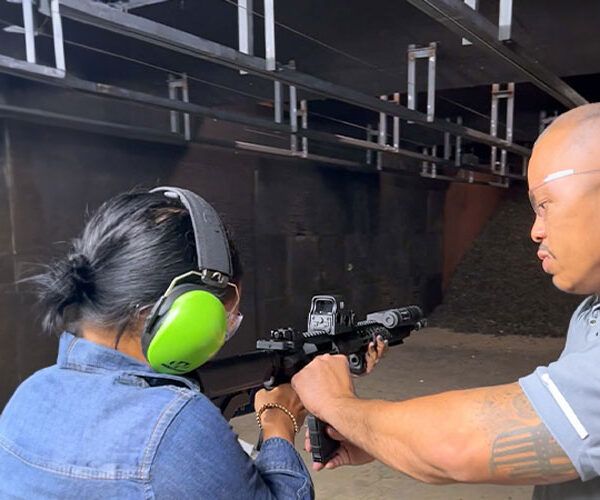
New shooters often benefit from professional instruction because experienced trainers can identify and correct unsafe habits before they become routine.
Some of the most common mistakes include improper muzzle control, handling firearms during a cease-fire, rushing through firearm manipulations, and failing to understand range commands.
Working with qualified instructors helps shooters build confidence while learning correct techniques from the beginning. Individuals interested in developing safe firearm handling skills can explore additional educational resources through the Declaration Defense blog.
The Role of Professional Firearm Training
While independent practice is valuable, professional instruction provides structured learning opportunities that help shooters develop safe and effective habits.
Certified instructors teach students how to safely handle firearms, identify potential hazards, and respond appropriately in various situations. Training courses often combine classroom education with supervised live-fire exercises to reinforce key concepts.
Individuals pursuing additional education may benefit from programs such as concealed carry training and other firearms education courses designed to promote responsible ownership and safe firearm handling.
Building Lifelong Firearm Safety Habits
The best shooters understand that firearm safety is a continuous responsibility. Every range visit presents an opportunity to reinforce safe habits and improve awareness.
Consistent practice, ongoing education, and adherence to proven safety principles help ensure that firearms are handled responsibly under all circumstances. Whether participating in recreational shooting, competition, hunting, or defensive training, safety should remain the primary focus.
To learn more about responsible firearm ownership and professional instruction, visit Declaration Defense and explore available training opportunities.
Why Choose Declaration Defense for Firearm Safety Training
Declaration Defense is committed to promoting safe, responsible firearm ownership through professional education and hands-on training. Their experienced instructors provide comprehensive firearm safety instruction designed to help students develop confidence, awareness, and proper firearm handling skills. Whether you are new to firearms or looking to strengthen your existing knowledge, Declaration Defense offers expert-led programs focused on practical safety principles, range etiquette, and responsible firearm use. Through quality training and ongoing education, Declaration Defense helps shooters build the skills necessary for safe and effective firearm ownership.
Frequently Asked Questions
What are the most important firearm safety rules at a shooting range?
The most important rules include treating every firearm as loaded, maintaining muzzle discipline, keeping your finger off the trigger until ready to shoot, and knowing your target and what is beyond it.
Do I need formal training before visiting a gun range?
While not always required, professional firearm training is highly recommended because it teaches proper safety procedures, firearm handling, and range etiquette.
What protective equipment should I bring to a shooting range?
Eye protection and hearing protection are essential. Many ranges also recommend closed-toe shoes and appropriate clothing to protect against hot brass and debris.
How can beginners improve firearm safety skills?
Beginners can improve by taking professional training courses, practicing regularly under supervision, following range rules, and continually reinforcing safe firearm handling habits.

Recent Comments