
Taking a concealed carry class at shooting range is an important step for anyone who wants to carry responsibly and confidently. Whether you are new to firearms or have prior experience, proper preparation can make the class more productive, less stressful, and significantly safer. Many first-time students arrive unsure of what to expect, what to bring, or how to get the most value from the training. With the right preparation, you can focus on learning rather than worrying about logistics.
A concealed carry class is not just about shooting accuracy. It typically covers legal responsibilities, safety procedures, firearm handling, mindset, and situational awareness. Preparing ahead of time ensures you can absorb this critical information and perform effectively during practical exercises.
Understand the purpose of the training
Before attending a concealed carry class at shooting range, it helps to understand that the goal is responsible carry—not simply marksmanship. Instructors emphasize safe handling, decision-making, and compliance with laws governing concealed carry in your state.
Many classes include classroom instruction followed by live-fire practice. You may learn about use-of-force laws, safe storage, conflict avoidance, and defensive mindset. Knowing this in advance allows you to approach the training with the seriousness it deserves.
Review basic firearm safety rules
Even if you have never handled a firearm before, reviewing the universal safety rules ahead of time will give you confidence on day one. Most instructors expect students to be familiar with these principles before live-fire exercises begin.
- Treat every firearm as if it is loaded
- Keep your finger off the trigger until ready to shoot
- Never point a firearm at anything you are not willing to destroy
Internalizing these rules demonstrates respect for the training environment and helps create a safe experience for everyone.
Choose the right firearm and equipment
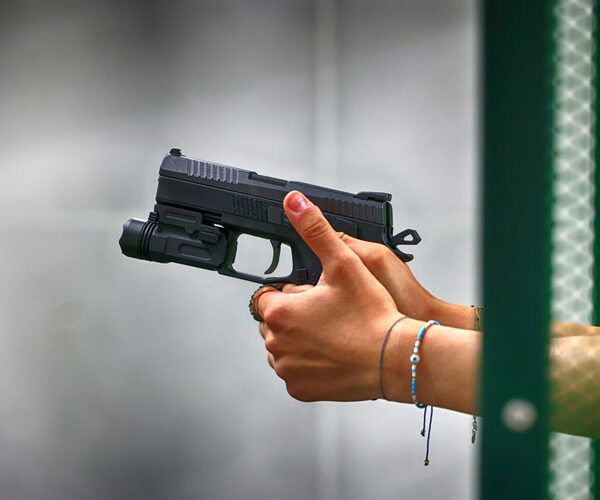
Selecting an appropriate firearm for a concealed carry class at shooting range is essential. Many students bring the handgun they intend to carry daily. If you do not yet own one, some ranges offer rentals or guidance on suitable options.
Comfort, reliability, and manageable recoil matter more than caliber alone. A firearm that fits your hand properly and is easy to control will help you perform better during drills.
In addition to the firearm, you should prepare essential gear:
- A sturdy belt and quality holster designed for concealed carry
- Eye and ear protection if not provided by the range
- Appropriate ammunition as specified by the instructor
Avoid bringing new equipment you have never used. Familiarity reduces mistakes and builds confidence.
Dress for safety and practicality
Clothing choices can affect both safety and comfort. Closed-toe shoes are mandatory at most ranges, and long pants are strongly recommended. Avoid loose garments that could interfere with drawing from a holster or become entangled in equipment.
High-neck shirts help prevent hot brass from contacting skin, which can be distracting during live fire. Weather-appropriate layers are also important if portions of the training occur outdoors.
Prepare mentally for defensive training
Carrying a firearm for personal protection involves serious responsibility. A concealed carry class often discusses scenarios where defensive force may be justified, as well as situations where avoidance is the better option.
Approach the training with an open mind and a willingness to learn. You may encounter concepts that challenge assumptions or require adjustments in habits. Staying focused and receptive allows you to develop sound judgment along with technical skills.
Arrive early and ready to learn
Punctuality is especially important for firearms training. Arriving early gives you time to complete paperwork, review safety briefings, and become familiar with the facility. Rushing into class increases stress and reduces your ability to concentrate.
Bring required identification, any permits requested, and materials provided during registration. Some classes include written exams or legal documentation, so being organized helps everything run smoothly.
Know what skills you will practice
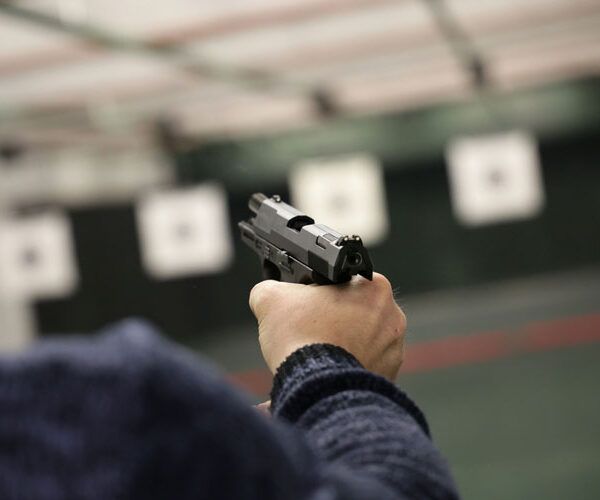
During a typical concealed carry class at shooting range, students practice more than just firing at targets. You may learn grip techniques, stance, sight alignment, trigger control, and safe holstering procedures.
Many courses also introduce defensive shooting fundamentals such as drawing from concealment, engaging targets at close distances, and maintaining situational awareness. Understanding that these skills require repetition helps you stay patient with yourself during training.
Hydration, nutrition, and stamina
Firearms training can be physically and mentally demanding. Standing for long periods, maintaining focus, and managing recoil all require energy. Eat beforehand, stay hydrated, and bring water if permitted.
Fatigue can lead to mistakes, so taking care of basic physical needs supports both safety and performance throughout the day.
Commit to continued practice
Completing a class is only the beginning. Responsible concealed carry requires ongoing practice to maintain proficiency. Plan future range visits to reinforce skills learned during training, and consider advanced courses as your confidence grows.
Regular practice builds muscle memory, improves accuracy, and reinforces safe habits—key components of responsible firearm ownership.
Train with professionals at Declaration Defense
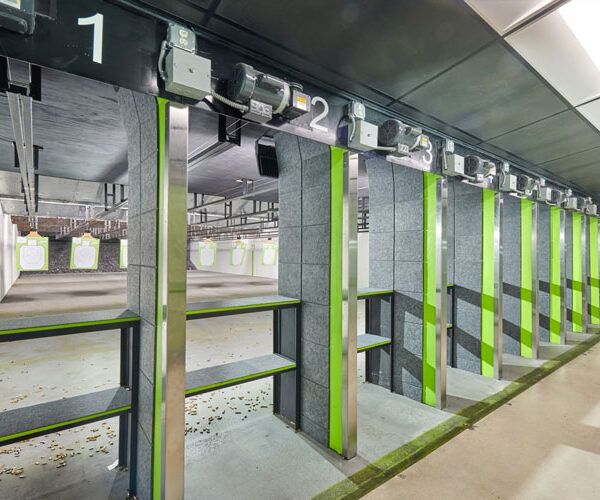
Choosing a reputable training provider makes a significant difference in your experience and outcomes. Declaration Defense offers professional instruction designed to prepare individuals for safe, lawful concealed carry. Their courses combine classroom education with hands-on training in a controlled environment, helping students develop confidence, competence, and situational awareness.
Whether you are new to firearms or seeking formal certification, Declaration Defense provides the guidance, facilities, and expertise needed to succeed in a concealed carry class at shooting range. Their commitment to safety and education ensures that students leave with practical skills and a clear understanding of responsible carry. Call us at 954-900-5572
Visit us at 1315 SW 1st Court
Pompano Beach, FL 33069
Frequently Asked Questions
Do I need prior shooting experience to take a concealed carry class?
No. Many classes are designed for beginners and include instruction on basic firearm handling and safety.
What type of firearm should I bring?
Most instructors recommend a reliable handgun suitable for personal defense. Check course guidelines for caliber or equipment requirements.
How long does a concealed carry class usually last?
Classes typically range from several hours to a full day, depending on state requirements and curriculum.
Will I receive certification after completing the class?
Many courses provide documentation required for permit applications, but requirements vary by state.

Recent Comments